Visa required countries for entering in Spain
Check if you need a student visa to enter Spain. Comprehensive list of countries requiring a Type D visa for long-term studies and language courses
12/Feb/2026
Visa
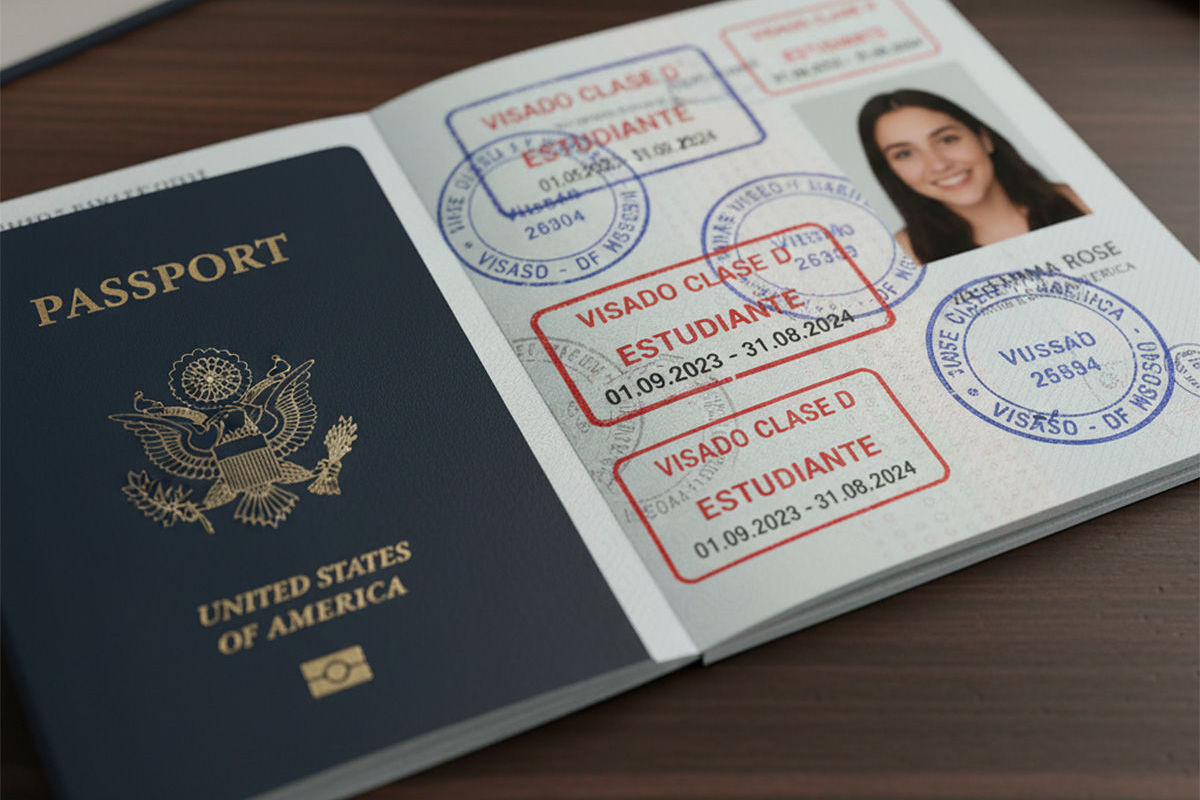
Student Visa Requirements for Spain
Understanding the entry rules is vital for your study plans. Most non-EU citizens must apply for a Student Visa Type D if they plan to stay in Spain for more than 90 days.
This visa allows you to live, study, and travel within the Schengen Area. Ensure you check the official requirements for your specific nationality before booking your flight.
Countries Requiring a Type D Student Visa
Citizens from several nations across the Middle East, Africa, and Asia must process their papers at a Spanish consulate. Key countries include China, India, Russia, and the Philippines.
Many Latin American countries, like Ecuador, Bolivia, and the Dominican Republic, also require this authorization. You can find the official legal list here for detailed verification.
Essential Tips for Your Application
Start Your Process Early
The visa application can take several weeks or even months. We recommend starting the process as soon as you receive your acceptance letter from your Spanish school.
Gather the Right Documents
You will typically need a valid passport, proof of financial means, and medical insurance. Some consulates also require a criminal record certificate for long-term stays.
Frequently Asked Questions
How long can I stay with a Type D visa?
This visa is usually issued for the duration of your course. If your studies last more than six months, you must apply for a student residence card (TIE) once you arrive in Spain.
Can I work while studying on a student visa?
Yes, recent changes in Spanish law allow many international students to work up to 30 hours per week, provided it does not interfere with their studies.
What happens if my visa application is denied?
You have the right to appeal the decision. Most denials are due to missing documents or insufficient proof of funds, so double-check every detail before submitting.
Do I need a visa for a short 2-week course?
If your country is on the visa-exempt list for tourism, you can usually take a short course of less than 90 days without a specific student visa.
Is medical insurance mandatory for the visa?
Yes, you must have private health insurance with full coverage in Spain. It should have no co-payments and include repatriation to your home country.
Can I travel to France or Italy with my Spanish visa?
The Spanish student visa allows you to travel freely through the Schengen Area for up to 90 days in any 180-day period for tourism purposes.